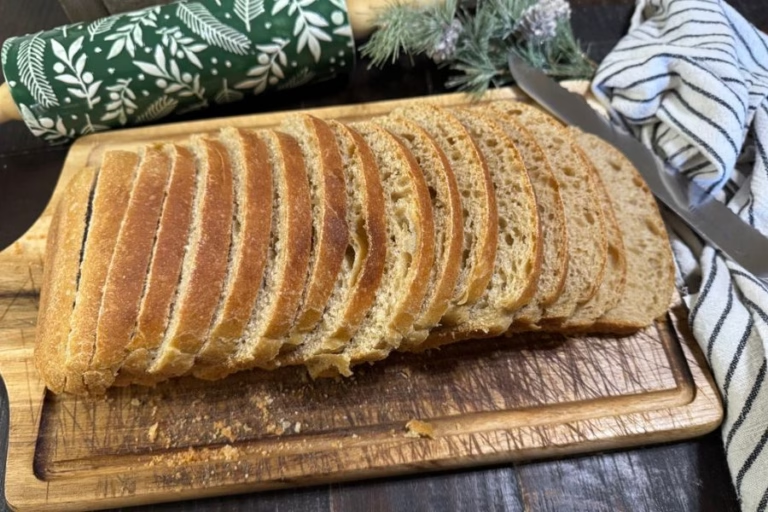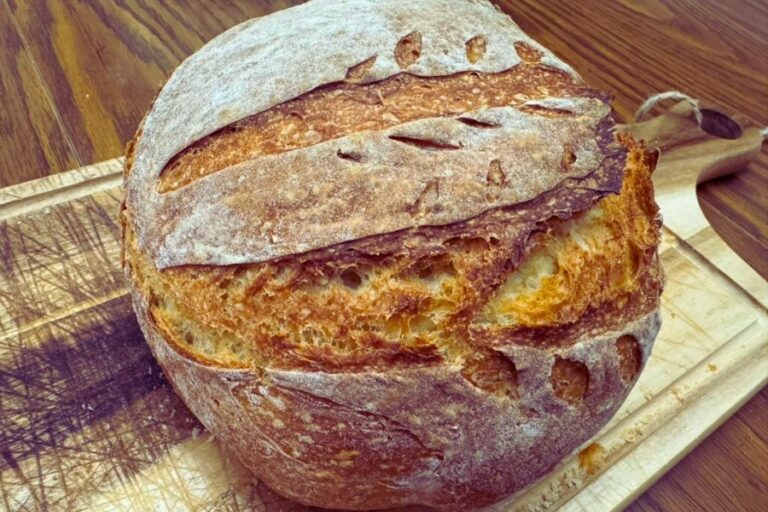
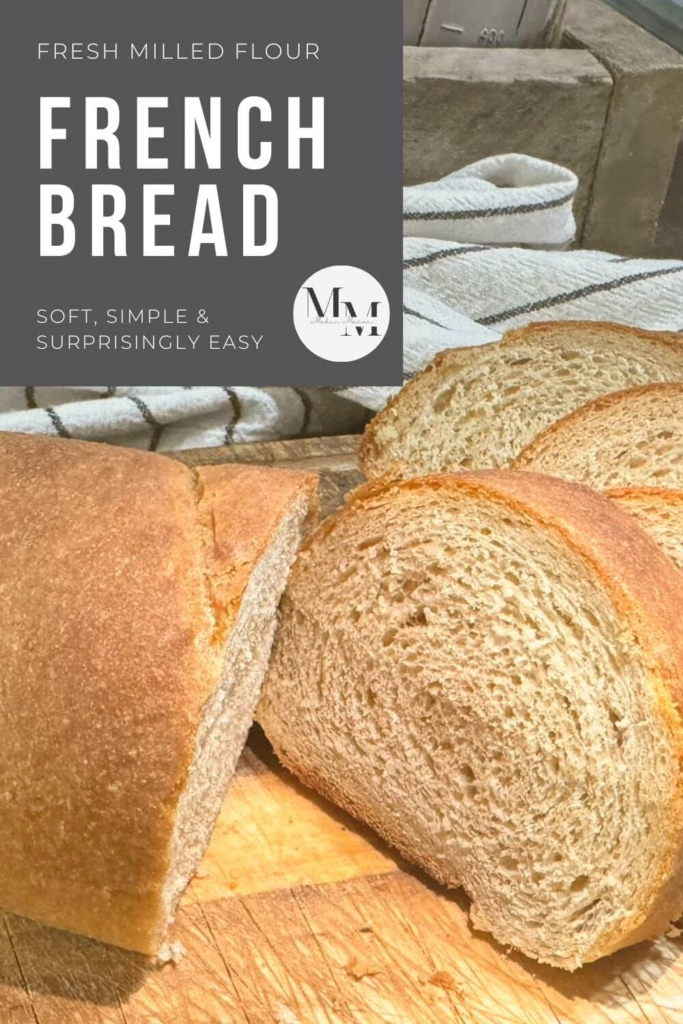
Fresh Milled Flour French Bread (Soft, Simple, and Surprisingly Easy)

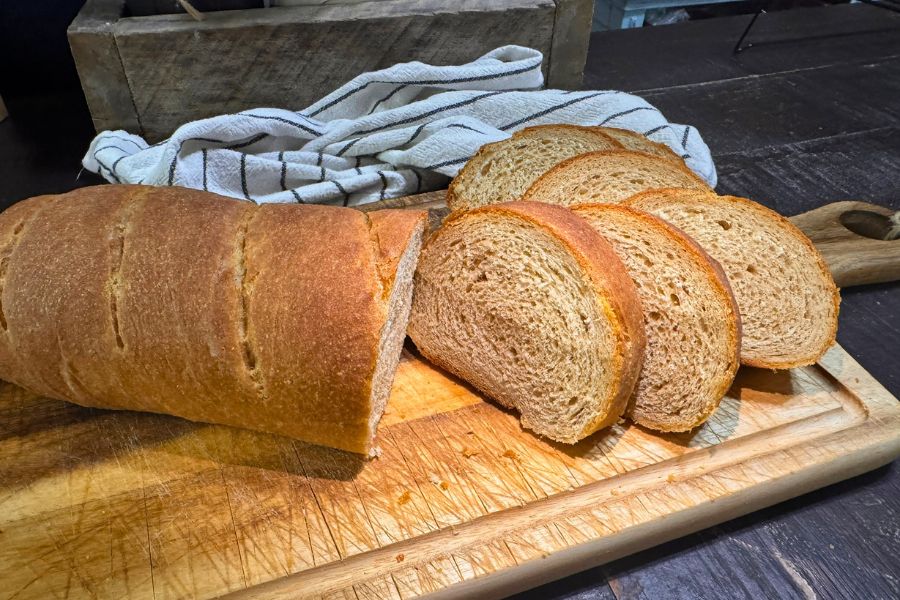
If you’ve been following along with our fresh milled flour journey, you know I’m not trying to reinvent everything in the kitchen. This fresh milled flour French bread is a perfect example of that—taking something we already love and making small, intentional changes along the way.
This recipe comes straight from my original French bread recipe here on the blog. Once I started understanding a little more about vital wheat gluten and sunflower lecithin, the transition was much easier than I expected.
And honestly, that’s been the biggest encouragement in this journey. You don’t have to start over—you just learn how to adjust.
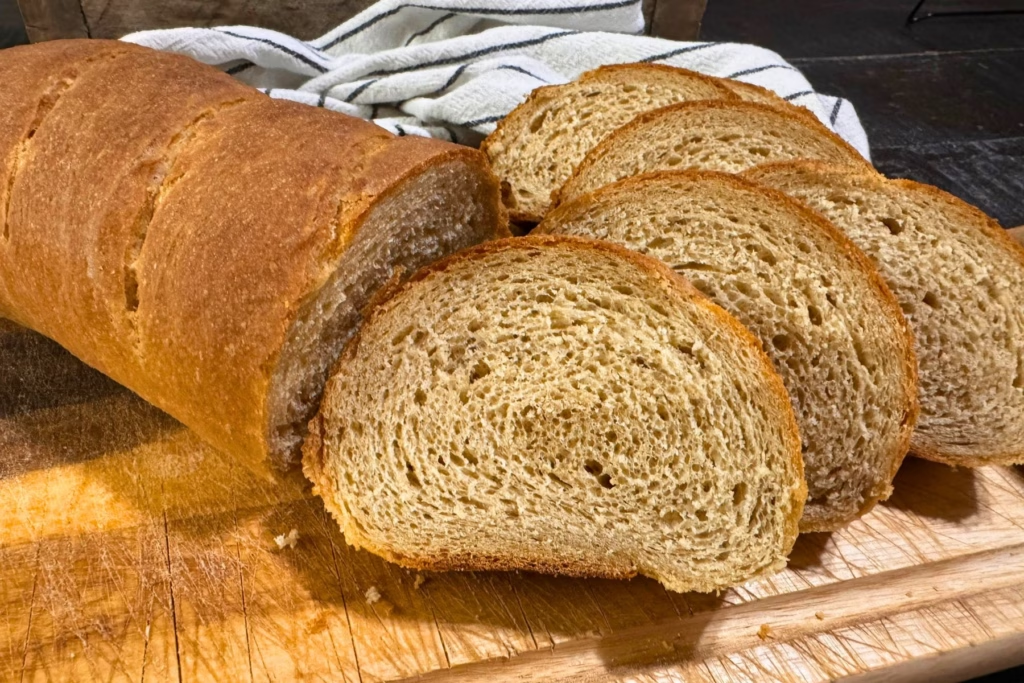
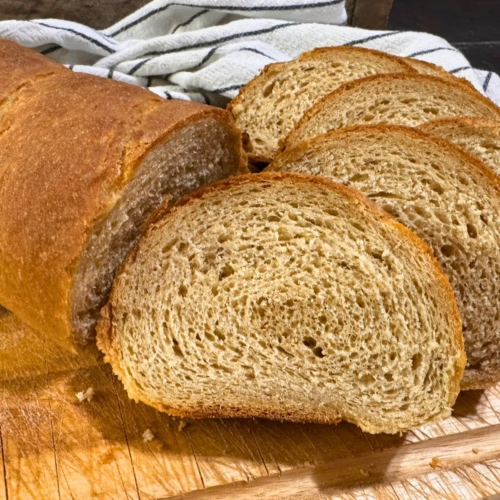
This loaf is soft on the inside, lightly crisp on the outside, and works beautifully for sandwiches, sides, or just warm with butter melting into each slice.
👉 New to fresh milled flour? Start here.
Ingredients for Fresh Milled Flour French Bread
- 230 grams water (about 1 cup)
- 8 grams sugar (about 1 ½ teaspoons)
- 9 grams yeast (about 2 ½ teaspoons)
- 360 grams freshly milled hard white wheat
- 1 tablespoon butter, chopped
- 8 grams vital wheat gluten
- 4 grams sunflower lecithin
- 10 grams salt (about 1 ½ teaspoons)
How to Make Fresh Milled Flour French Bread
(Full printable recipe card available at the bottom of this post.)
Step 1: Activate the Yeast
In your mixing bowl, combine water, sugar, and yeast. Let sit for about 5 minutes until slightly foamy.
Step 2: Mix the Dough
Add fresh milled flour, butter, vital wheat gluten, and sunflower lecithin. Mix on a low speed for about 2 minutes, adjusting as needed depending on your mixer or if mixing by hand.
Watch your dough closely during this time. I added about 1 tablespoon of water as it mixed to help it come together.
Step 3: Rest the Dough
Let the dough sit for 20 minutes. This rest period gives the fresh milled flour time to fully absorb the liquid and makes a big difference in texture.
Step 4: Knead the Dough
Add salt, then increase to a medium speed and mix for 8–10 minutes until the dough reaches the windowpane stage. Adjust as needed depending on your mixer or kneading by hand.
Step 5: First Rise
Transfer dough to a lightly oiled bowl and let rise for about 1 hour, or until slightly puffy.
Step 6: Shape the Dough
Move dough to a dough mat (no flour needed).
I’ve found with fresh milled flour that adding extra flour at this stage can make the dough feel off when shaping. Instead, lightly spritz your mat with water or a bit of olive oil to help the dough come together smoothly.
Gently shape into a ball, releasing gases, and let rest for 15 minutes.
Then shape into an oval (about 9×12 inches). Starting on the long side, roll into a cylinder shape. Pinch seams together, then tuck and pinch the ends.
Place seam-side down.
Step 7: Second Rise
Let the loaf rise until doubled in size. Mine took about 1 hour, but yours may be slightly less depending on your environment.
Step 8: Bake Fresh Milled Flour French Bread
Preheat oven to 425°F.
Gently score the loaf and lightly mist with olive oil.
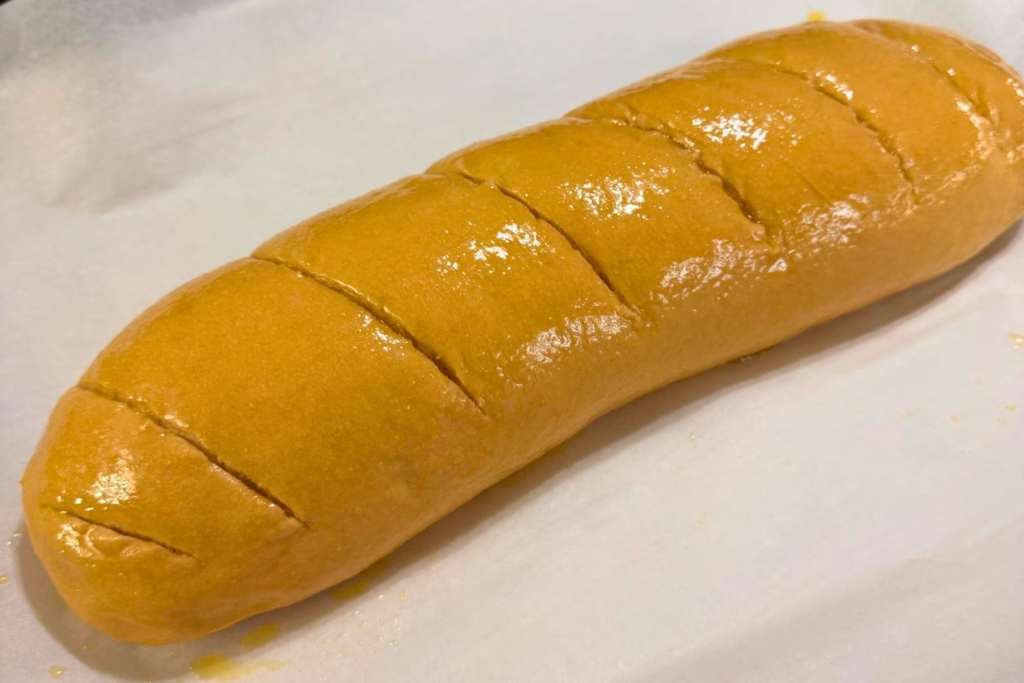
Bake for 20 minutes, then reduce heat to 350°F and bake another 5 minutes until golden on top.
Recipe Summary
Prep Time: 20 minutes
Rise Time: 2 hours
Bake Time: 25 minutes
Total Time: 2 hours 45 minutes
Yield: 1 loaf (about 10–12 slices)
Why I Use Vital Wheat Gluten and Sunflower Lecithin in Fresh Milled Flour French Bread
When I first started working with fresh milled flour, I realized quickly that it doesn’t behave the same as store-bought flour. That doesn’t mean it’s worse—it just means it needs a little help sometimes to get the structure we’re used to.
Vital Wheat Gluten is a concentrated form of the natural protein found in wheat. Adding a small amount helps strengthen the dough, improve elasticity, and support a better rise.
Sunflower Lecithin (pronounced leh-suh-thin) is a natural emulsifier that helps ingredients blend and hold together. In bread, that means a softer texture and better moisture.
Do you have to use these? No. But they’ve helped me get results that feel more familiar while still using fresh milled flour.
Tips for Fresh Milled Flour French Bread
- Fresh milled flour is thirstier, so don’t be afraid to adjust water slightly.
- The 20-minute rest makes a big difference in texture.
- Vital wheat gluten helps strengthen the dough structure.
- Sunflower lecithin helps improve softness and shelf life.
- Watch your dough, not just the clock.
Storage Tips for Fresh Milled Flour French Bread
Store in an airtight container for up to 3 days.
Slice and freeze for quick use.
Reheat in the oven or toaster oven for best texture.
- Leftover slices make excellent French toast. The texture holds up well once soaked, making this a great way to use any extra bread.
From My Kitchen to Yours
Over the past several months, I’ve learned to slow down and pay attention to what’s happening in my kitchen.
Fresh milled flour doesn’t behave exactly like store-bought flour—and that’s okay. This loaf reminded me that learning something new doesn’t mean starting from scratch.
Sometimes it just means adjusting what you already know. And if you’re in that same place—learning and testing—you’re not alone.
As I’ve been learning, the tools I use have made a big difference in how this process feels day to day.
Over the past year, I’ve had the chance to use several NutriMill products in my own kitchen, and they’ve truly become part of our everyday rhythm.
The NutriMill Classic Grain Mill has been the biggest game changer for us. Being able to mill fresh flour at home has not only improved the quality of our baking, but it’s also helped me feel more confident about what I’m feeding my family.
I’ve also started using a few of their newer products, like the dough mats (which I didn’t realize I needed until I used one!) and the Bosch Universal Plus Mixer, which has been a huge help as I’ve grown more serious about baking.
What I appreciate most is that these are tools built to last. From my experience, NutriMill stands behind their products, and that matters when you’re investing in your kitchen.
If you’ve been considering a grain mill or upgrading your baking tools, I’d simply encourage you to keep an eye on their sales. You can use my code MAKINMACON for savings on select products (like mixers and accessories), though it doesn’t currently apply to the grain mill.
If you do choose to shop through my link or use my code, it’s a simple way to support our family and the work we’re doing here at Makin’ Macon—and I’m truly grateful.
I’ll always share honestly what’s working in my kitchen—and this is one of those things I’d choose again without hesitation.
If you’re learning fresh milled flour, I’d love for you to keep following along.
Explore more simple recipes here on the blog or join Rooted Table for monthly recipes, tips, and encouragement straight from my kitchen.
Fresh Milled Flour French Bread
Equipment
- Grain Mill for milling flour
- Stand Mixer
- Mixing Bowl
- Dough mat or clean work surface
- Baking Sheet
- Parchment Paper
- Bread Knife
Ingredients
- 230 grams water (approximately 1 cup)
- 8 grams sugar (approximately 1 ½ teaspoons)
- 9 grams yeast (approximately 2 ½ teaspoons)
- 360 grams freshly milled hard white wheat (approximately 3 cups)
- 1 tablespoon butter (chopped)
- 8 grams vital wheat gluten
- 4 grams sunflower lecithin
- 10 grams salt (approximately 1 ½ teaspoons)
Instructions
- In the mixing bowl of your mixer, combine water, sugar, and yeast. Let sit for about 5 minutes until slightly foamy.
- Add fresh milled flour, butter, vital wheat gluten, and sunflower lecithin. Mix on a low speed for about 2 minutes, adjusting as needed depending on your mixer.Watch your dough closely during this time. I added about 1 tablespoon of water as it mixed to help it come together.
- Let the dough sit for 20 minutes. This rest period gives the fresh milled flour time to fully absorb the liquid and makes a big difference in texture.
- Add salt, then increase to a medium speed and mix for 8–10 minutes until the dough reaches the windowpane stage. Adjust as needed depending on your mixer.
- Transfer dough to a lightly oiled bowl and let rise for about 1 hour, or until slightly puffy.
- Move dough to a dough mat (no flour needed).I’ve found with fresh milled flour that adding extra flour at this stage can make the dough feel off when shaping. Instead, lightly spritz your mat with water or a bit of olive oil to help the dough come together smoothly.
- Gently shape into a ball, releasing gases, and let rest for 15 minutes.
- Shape into an oval (about 9×12 inches). Starting on the long side, roll into a cylinder shape. Pinch seams together, then tuck and pinch the ends.Place seam-side down.
- Let the loaf rise until doubled in size. Mine took about 1 hour, but yours may be slightly less depending on your environment.
- Preheat oven to 425°F.
- Gently score the loaf and lightly mist with olive oil.
- Bake for 20 minutes, then reduce heat to 350°F and bake another 5 minutes until golden on top.
Notes
- Fresh milled flour is thirstier, so don’t be afraid to adjust water slightly.
- The 20-minute rest makes a big difference in texture.
- Vital wheat gluten helps strengthen the dough structure.
- Sunflower lecithin helps improve softness and shelf life.
- Watch your dough, not just the clock.